Palawan's Fate Rests in our Hands

November 14, 2025 10:07 PM


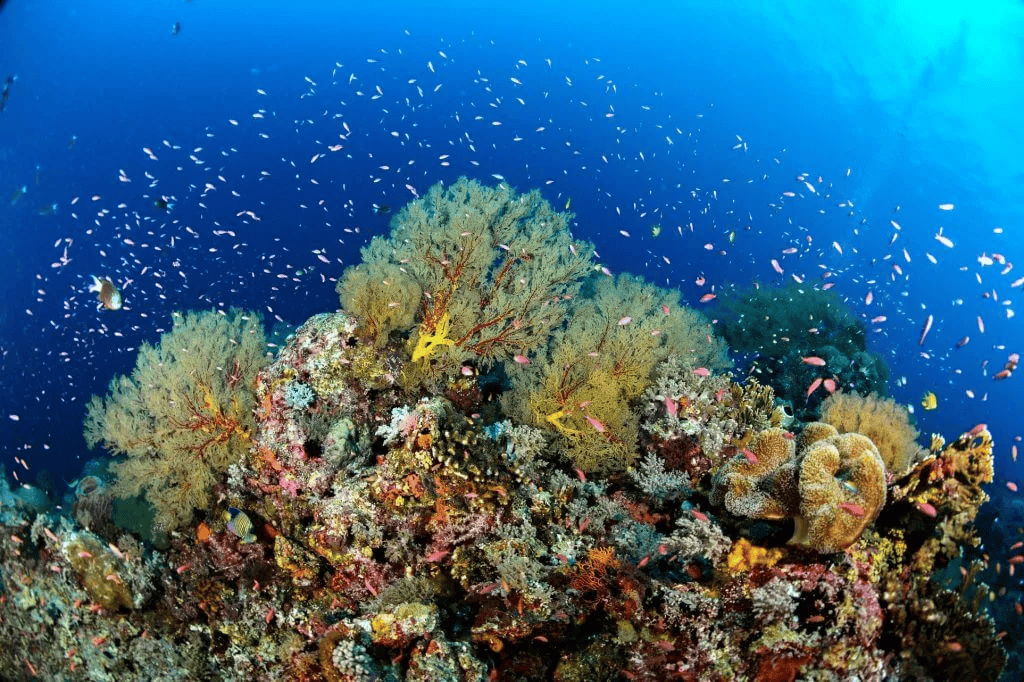
Biodiversity is the burst of color that paints nature’s endless expanse of forest and seas with life and vigor. As populations rise, forests felled, buildings erected, and natural ecosystems replaced by automated agricultural farms, our country slowly loses its color. Palawan, largely acknowledged as the Philippines’ last ecological frontier for biodiversity, is at risk of losing its color as well. Imagine Palawan devoid of the Peacock Pheasant’s elegant blue feathers, the forests robbed of Calamian deers roaming and the grasslands of the gentle Palawan Pangolins foraging around for food. Imagine no longer seeing Palawan’s majestic mangroves and all the beautiful species it houses. Seeing only gray, lifeless corals on Palawan’s seabed when going out for a dive. It’s both a saddening, terrifying, yet very feasible thought. Especially if no action is taken, and we let Palawan crumble to ruin.


As an advocacy page, PalawanEco hopes that this problem reaches the hearts of those willing to support Palawan’s biodiversity in any way possible. Be it a small donation, choosing ecotours, or simply spreading the word to protect Palawan’s biodiversity, any aid counts.


Other than spreading awareness, how exactly can we help? Many initiatives from local organizations are in place. Donating to the following organizations can help them continue their operations:


  • Katala Foundation Incorporated (KFI)

  • Palawan Biodiversity Conservation Advocates, Inc. (PCBAI)
    • Partners with local governments, communities, and even international organizations to conduct initiatives like the USAID.
    • Their RESTORE project included the restoration of 20 hectares of mangrove forest in the municipality of Araceli, and the enhancement of 266.27 hectares of Marine Protected Areas (MPA). Fishermen were also taught the sustainable method of seagrape (lato) farming to provide an alternative source of income while fish populations affected by the typhoon regenerated.
    • Their Sea Turtle Conservation Campaign involved surveying three key nesting beaches in Dumaran, Palawan to understand the threats faced by sea turtles. Local volunteers were also trained to monitor beaches and how to protect turtle nests. Ex-situ hatcheries were also established to allow for safer egg hatching away from predators and poachers. Clean-up drives for plastic reduction were also conducted along west coast of Puerto Prinsesa City.
    • Learn More and Donate

  • Palawan NGO Network, Inc. (PNNI)
    • Focuses more on enforcement of environmental laws through confiscations and citizens’ arrests. In 2017, the founder and leader of PNNI declared that they had turned in a total of 700 confiscated chainsaws to local authorities. In July 2020 alone, they were able to turn in 300 more.
    • Advocates for critical issues in Palawan, such as pushing for a “total mining ban, opposing division of the province, and preventing forest-encroaching development and plantations”.
    • Learn More  and  Donate

  • Save Palawan Seas Foundation (SPSF)
    • An organization focused on environmental conservation and sustainable livelihoods for local residents.
    • Their projects for sustainable livelihoods include teaching Seaweed and Sea Cucumber Farming techniques to fishermen, to provide alternative sources of income that relies on a healthy ocean environment, to discourage harmful fishing practices. They also have other initiatives focused on providing sources of income on land, such as Organic Vegetable Farming and Virgin Coconut Oil processing, to lessen the pressure on overfished marine environments.
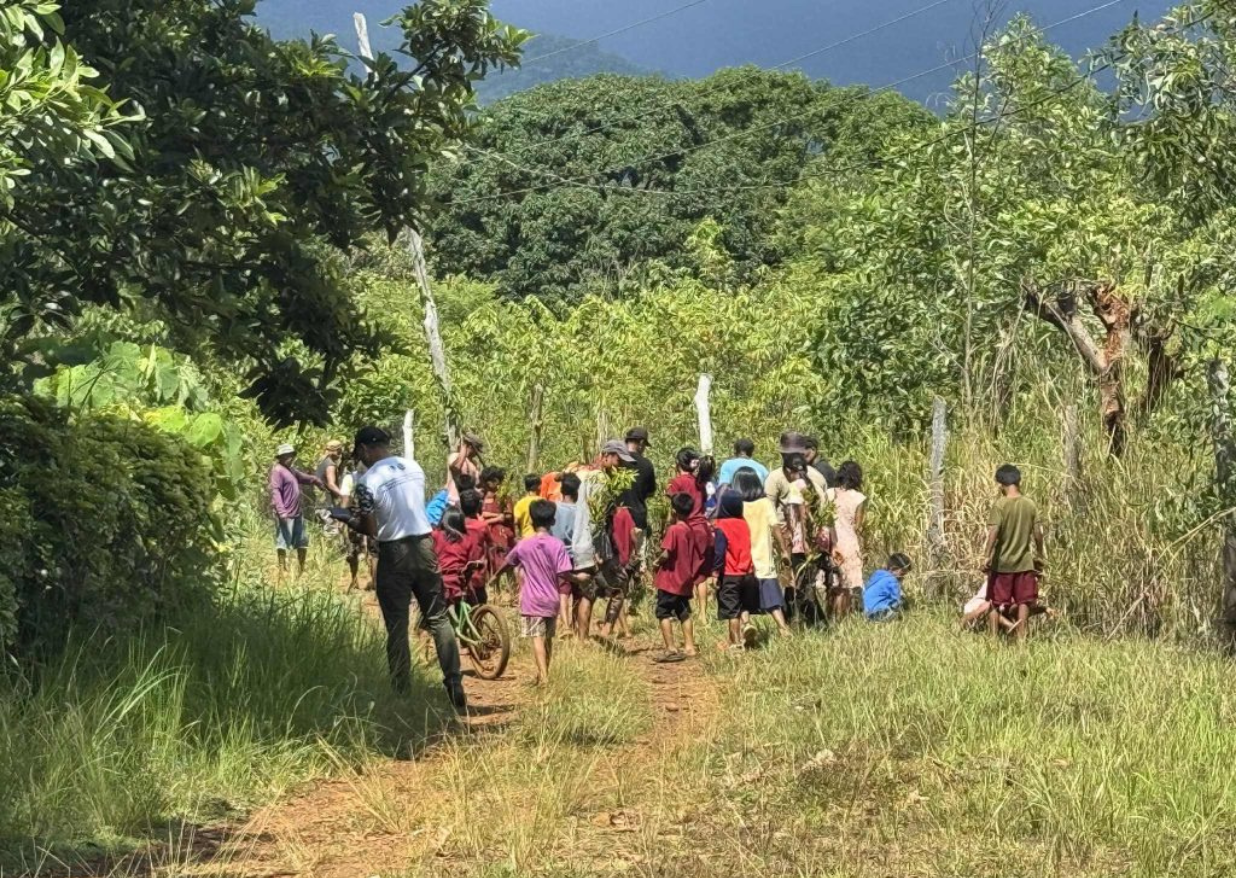
    • Their projects for environmental conservation include Tree Planting projects, where they provided assorted fruit-tree seedlings to various communities to prevent the “kaingin” or “slash-and-burn” practices in adjacent forests, as well as the Coral Growing and Replanting project.
    • Learn More  and  Donate

  • Centre for Sustainability (CS)
    • Run by Palawan youth that focuses on establishing and restoring protected areas and empowering the youth to stand up for the environment.
    • They led the formal declaration of Cleopatra’s Needle Critical Habitat in 2017, covering over 41,000 hectares of land. They are now currently attempting to replicate this for Sultan Peak to establish it as a critical habitat.
    • Their Saving the Almaciga Tree project managed to reforest 15,063 Almaciga seedlings at Cleopatra’s Needle.
    • Their Knowledge is Power to the Forest project was able to train indigenous and community rangers in Cleopatra’s Needle to be parabiologists, to help in collecting biodiversity data while they are on patrol.
    • Learn More  and  Donate

  • Palawan Council for Sustainable Development (PCSD)
    • A government organization acting as the central administrative body for environmental policy and conservation in Palawan.
    • Created the Strategic Environmental Plan (SEP) for Palawan Act (RA 7611) of 1992, which established a lot of frameworks to protect Palawan including its biodiversity. The Environmentally Critical Areas Network (ECAN), a graded protection zoning system, was established as the core strategy. All development projects in Palawan are required to undergo the SEP Clearance System.
    • Operates the Palawan Biodiversity Resource Center (PBRC) which serves as a facility for research, custody, and education for confiscated and turned-over wildlife resources.
    • Learn More  (*The PCSD is a government organization and therefore does not have a typical public donation structure)

  • Environmental Legal Assistance Center (ELAC)
    • An organization dedicated to empowering communities to “safeguard natural resources and environment through developmental legal assistance, education, and advocacy”.
    • Consistently have been involved in legal battles against major threats to biodiversity like large-scale mining, illegal logging, and quarrying, utilizing the ECAN framework as basis.
    • Their No To Mining campaign was instrumental in passing the 50-Year Mining Moratorium (Provincial Ordinance No. 3646) in 2025, which halted the issuance of large-scale mining permits in Palawan.
    • Learn More  and  Donate


Aside from donating to organizations and their programs, signing online petitions is also a big help, especially in fighting destructive operations in Palawan’s premises that harms its ecosystem. Some of the current active petitions include:


For those interested in visiting Palawan for a tour, supporting tours implementing ecotourism and Community-Based Sustainable Tourism (CBST) goes a long way. CBST implementation is beneficial to both the environment and local residents, since residents are rewarded for taking care of the environment. Example tours that implement this include:
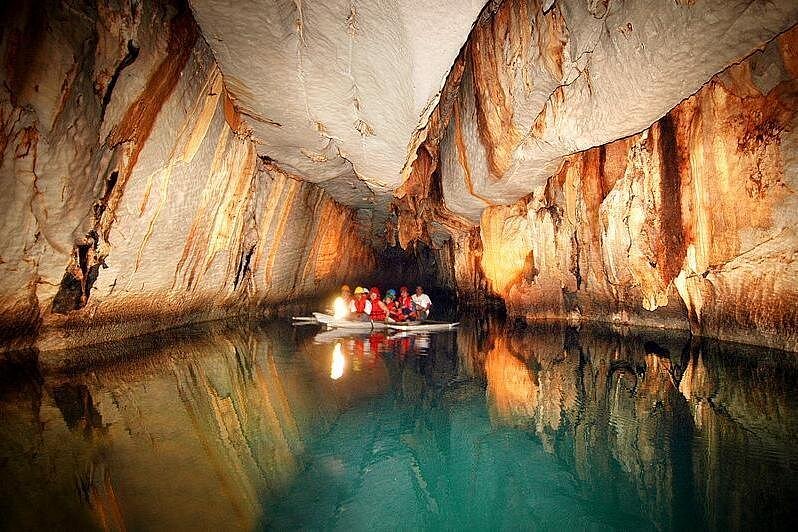

  • Puerto Princesa Underground River Tour. Strict daily visitor limits and fees are enforced to minimize human impact on the cave system. The fees and regulated tourism directly fund the conservation and protection of the Subterranean River National Park, which is home to unique cave fauna, the endemic Palawan hornbill, and other rare wildlife in the surrounding forest.

    Source: Viator

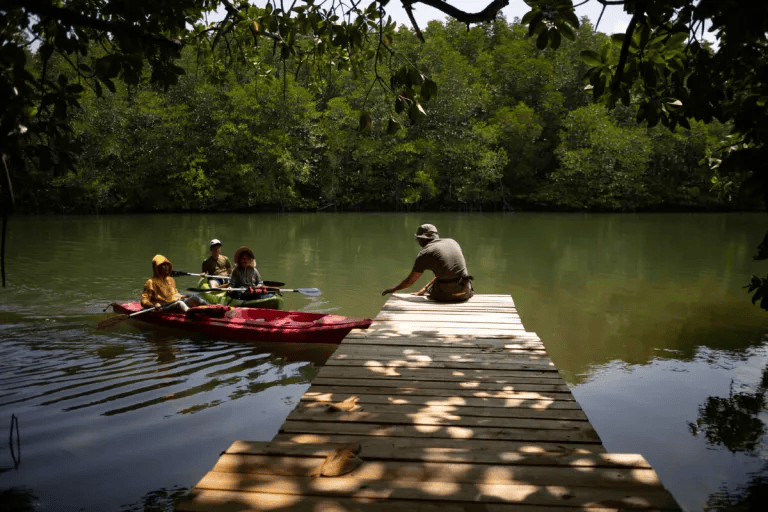
  • Dewil Eco-Mangrove Tour in El Nido. Managed by the Dewil Eco-Mangrove Association (DEMA), this tour empowers the local community to protect a vital 412-hectare mangrove forest. Mangrove forests are crucial nurseries for marine life, protect coastlines from erosion, and serve as a massive carbon sink. The revenue from the tour provides an alternative, sustainable livelihood for locals, discouraging destructive practices like illegal mangrove cutting. The community also organizes mangrove-planting activities.

    Source: ESTELNido

  • Tubbataha Reefs Natural Park in Cagayancillo. Tourism here is strictly regulated (primarily via liveaboard diving trips) and limited to a short season. The entry fees and controlled access directly fund the park's protection, which conserves around 360 species of coral and nearly 700 species of fish, including sharks, turtles, and manta rays, making it one of the most biodiverse marine ecosystems on Earth.

    Source: Forever Vacation

  • Iwahig River Cruise and Firefly Watching in Puerto Prinsesa City. The entire enterprise is structured around preserving the ecological integrity of the mangrove habitat, which is vital for the fireflies—a key bio-indicator requiring exceptionally clean air and water to thrive. Ecotourism principles are strictly followed by using quiet, paddle-operated boats to eliminate noise and water pollution, and by enforcing rules against bright lights and flash photography to avoid disrupting the fireflies' natural mating signals.

    Source: Guide to the Philippines


The news of gradual loss of biodiversity and color in Palawan may be disheartening, however, not all hope is lost. There are a lot of organizations with initiatives that are fighting to repaint and restore Palawan's lost colors. If all of us help in Palawan's fight, whether we donate, volunteer, partake in ecotourism, or spread awareness, we can help preserve biodiversity in Palawan. The fate of Palawan collectively rests in our hands.


Disclaimer: PalawanEco is a school project made for educational purposes only.