 PALAWAN
ECO
PALAWAN
ECO
October 3, 2025
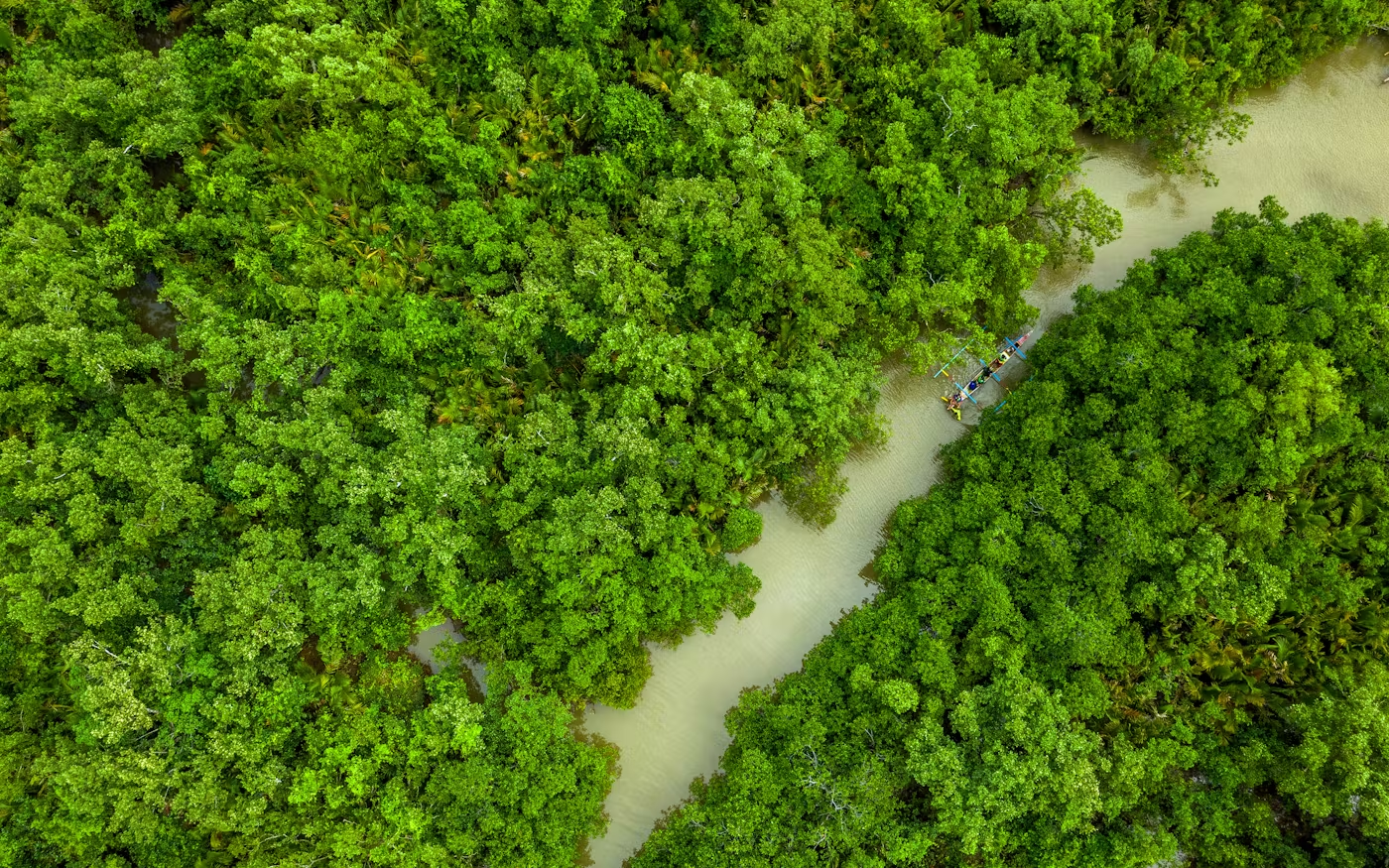
We naturally strive towards development and progress. Palawan is visibly no different. Buildings rise, trades grow busier, and tourists flood the province, especially during summers. But there are unseen effects that anyone rarely thinks about. At the same time, forests are felled, animals are hunted to extinction, and barely any space is left for Palawan's ecosystem to breathe.
If we are to stop this, we must first acknowledge several of man's actions that are leading to Palawan's demise:
Deforestation
Deforestation is the intentional clearing of forested land. In Palawan, illegal logging even in protected areas is observed. One such example is the El Nido forest, home to at least 5 mammalian species and 16 bird species, including the threatened species of the Palawan Peacock Pheasant, Hornbill, and Scops Owl.
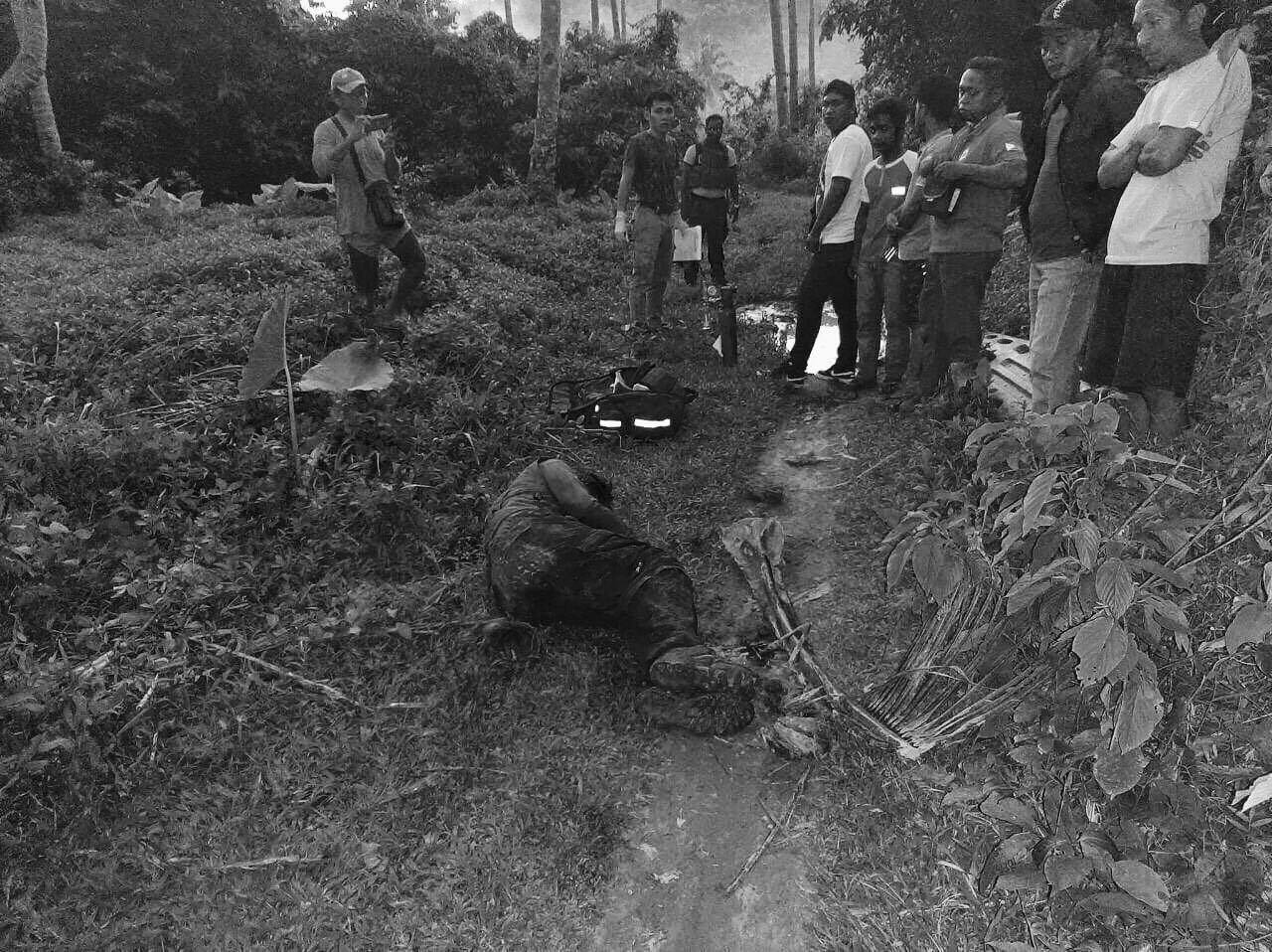 44-year old Toto Venguilla slain in the forest
The situation is severe to the point that in 2019, an environmental defender, Bienvinido “Toto” Veguilla Jr., who was proactive in preserving the El Nido forest, posting updates of their team patrols arresting illegal loggers and confiscating chainsaws, was killed by a group of illegal loggers. In 2024, the Philippine Coast Guard also discovered that 15 cubic meters of mangrove trees were illegally logged by unidentified suspects.
Mining
Mining is the extraction of useful materials from Earth’s surface. In Palawan, strip mining is especially rampant in the search for nickel.
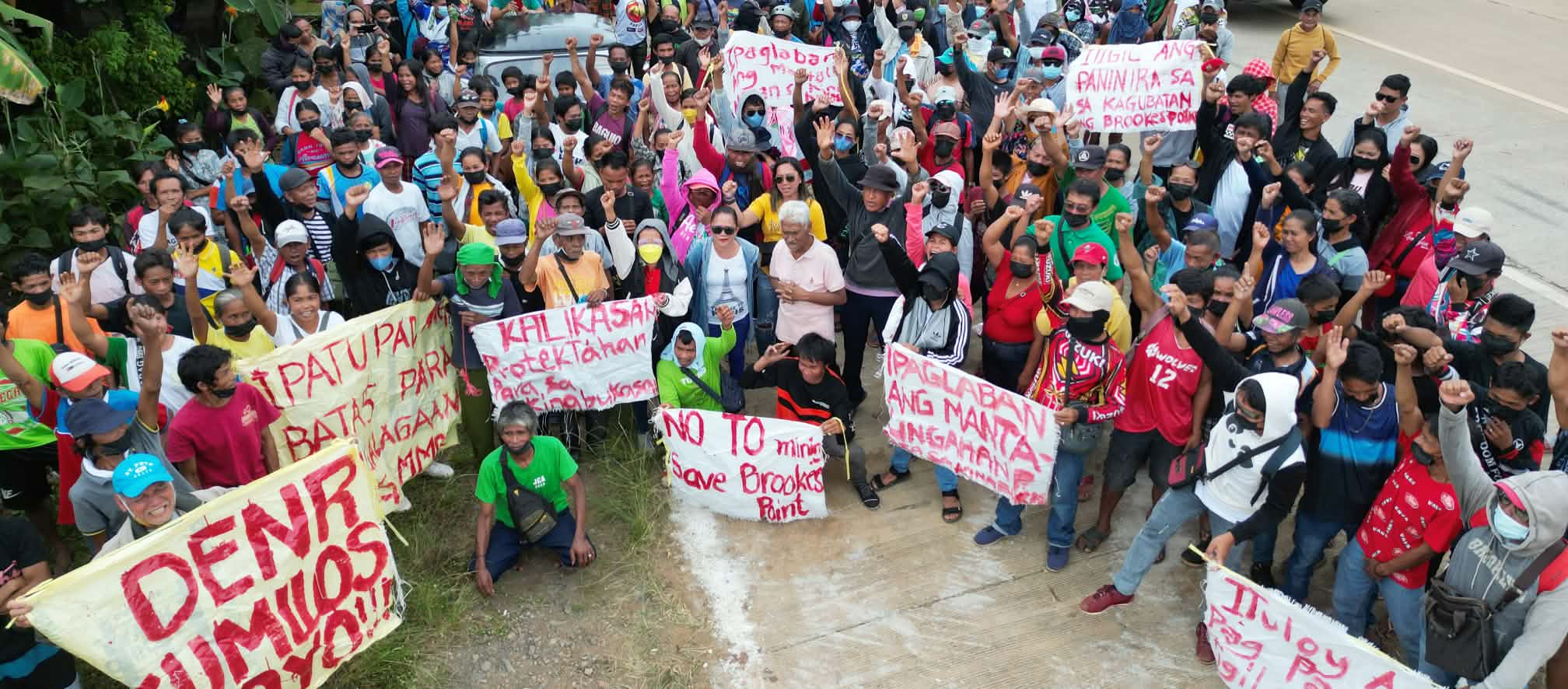 Residents blocking INC trucks from transporting nickel
Agricultural Expansion
Agricultural expansion is the conversion of uncultivated land into land for faming. Forests are cleared out on a wide scale, especially for oil palm plantations that are prominent in Palawan.
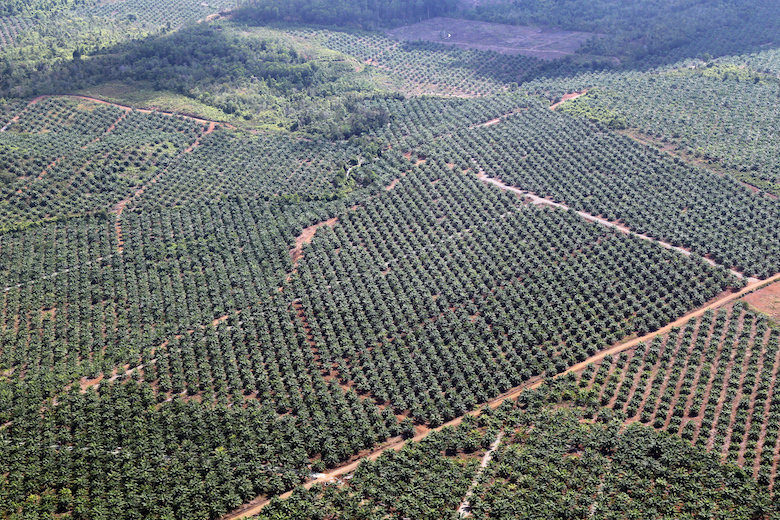 Large oil palm plantation in Southern Palawan
In 2019, around 9,000 hectares of forested land were cleared out for the construction of oil palm plantations.
Urbanization
Urbanization is the development of land that typically leads to increase in infrastructure. Similar to agricultural expansion, many species are displaced from their natural habitats during this process. Due to increasing populations, natural forested areas are taken down in favor of residential areas. The infrastructure needed for luxury tourism also has potential to damage fragile ecosystems. A study showed that the area of built-up areas in Puerto Prinsesa City had doubled from 34.4 km² to 67.7 km² from 2014 to 2022 due to the construction of resorts, residential areas, and other infrastructure. 2024 reports also show severely high levels of Coliform in El Nido's waters. The presence of Coliform bacteria signal the presence of more pathogens that are harmful when ingested and can even lead to acute gastrointestinal illnesses, as well as dangerously low level of oxygen.
Pollution
Pollution comes in many forms. Palawan, in particular, aside from the severe polluting and contaminating effects brought by mining, also suffers from plastic litter pollution, that harms not only terrestrial but also marine environments with the massive amount of microplastics. In particular, beaches that get flocked by tourists are the most common victims.
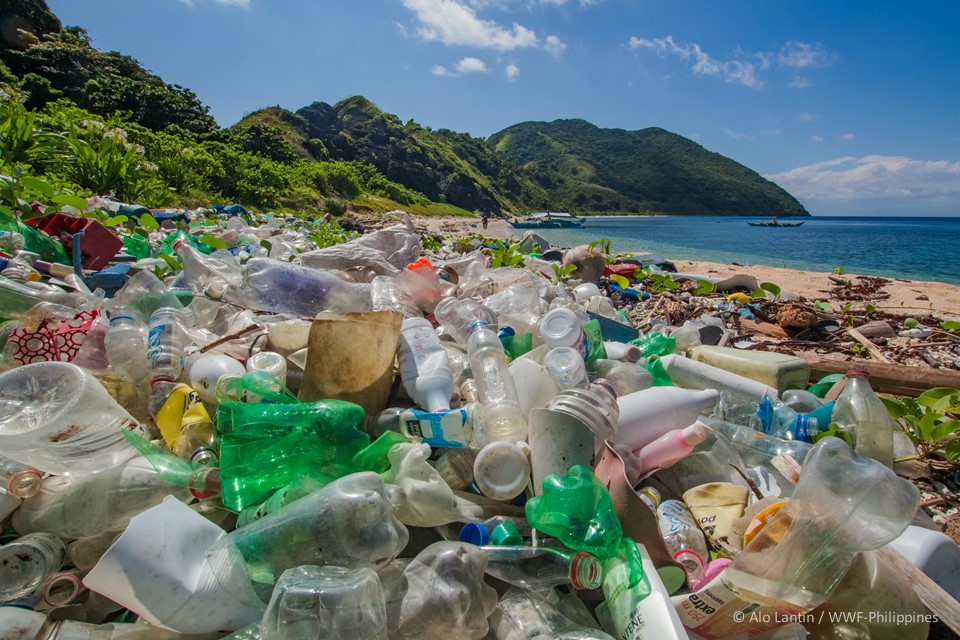 Plastic pollution on a beach in Northeastern Palawan
Poaching
Poaching is the illegal capturing and hunting of animals. In Palawan, despite laws being put down to prevent it, resurgences in wildlife poaching have been observed, as seen back in 2023 with the case of Pangolins, often hunted for their scales to be sold in the black market. Suspects in this case were found with 27 kilograms of Pangolin scales.
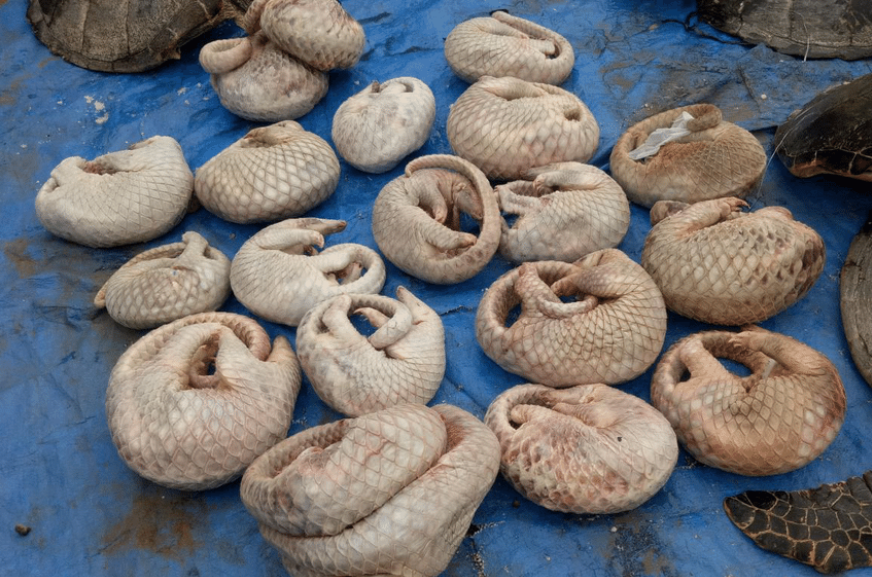 Descaled and eviscerated Philippine Pangolins from Palawan
Recently, in April 2025, a buy-bust operation by the DENR was able to rescue 83 animals that were illegally poached, 48 of which were Philippine Forest Turtles, whose species is critically endangered and endemic to Palawan.
Destructive Fishing
Destructive fishing practices are methods that cause long term, irreversible damage to marine ecosystems. In Palawan, overfishing, dynamite fishing, cyanide fishing, and fishing protected species are observed. Certain species of fish in Palawan are banned for fishing during certain times of the year to allow for reproduction. In 2024, three fishers were detained for fishing 15 kilograms of suno fish. Fish are also sometimes poached live to be traded and used in aquariums, and one unfortunate method involves squirting sodium cyanide into reef areas to stun the fish before collecting them. In 2022, four Vietnamese fishermen were caught fishing using this method.
It is alarming that there are several of man's activities damaging Palawan's ecosystem holistically, leaving Palawan's wildlife is left in humanity's shadow.
Disclaimer: PalawanEco is a school project made for educational purposes only.