 PALAWAN
ECO
PALAWAN
ECO
October 3, 2025
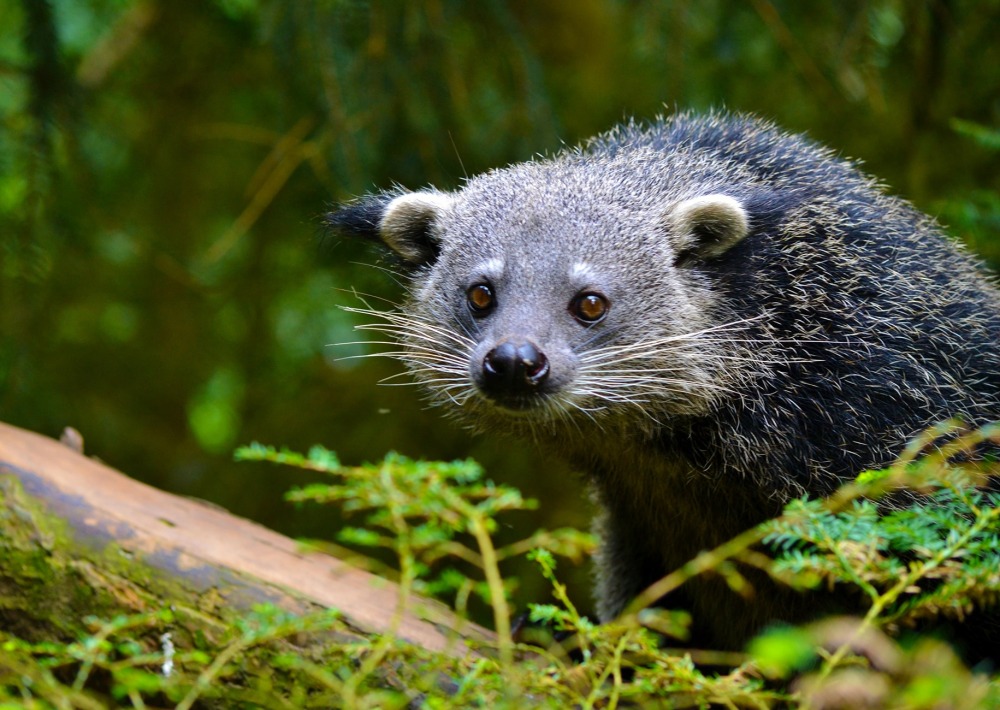
Slowly but surely, habitats are being destroyed in Palawan, mortality rates of wildlife are increasing, and species are reducing in numbers. These concerning trends are driven by various, avoidable manmade activities.
Deforestation, agricultural expansion, and urbanization lead to the killing and fragmenting of habitats. Many species are displaced from their homes.
With wide-scale deforestation, the absence of trees lead to several disrupted ecological processes. It increases the chances of soil erosion and landslides and also reduces soil fertility, resulting to degraded habitat quality for both flora and fauna.
Mining not only causes the presence tension cracks all over Palawan's surface, but also tailings dams which have led to deprivation of nutrients from the land and water siltation and pollution, disrupting ecosystems. Toxic heavy metals get mixed into the rivers posing significant health risks for both humans and other plant and animal species.
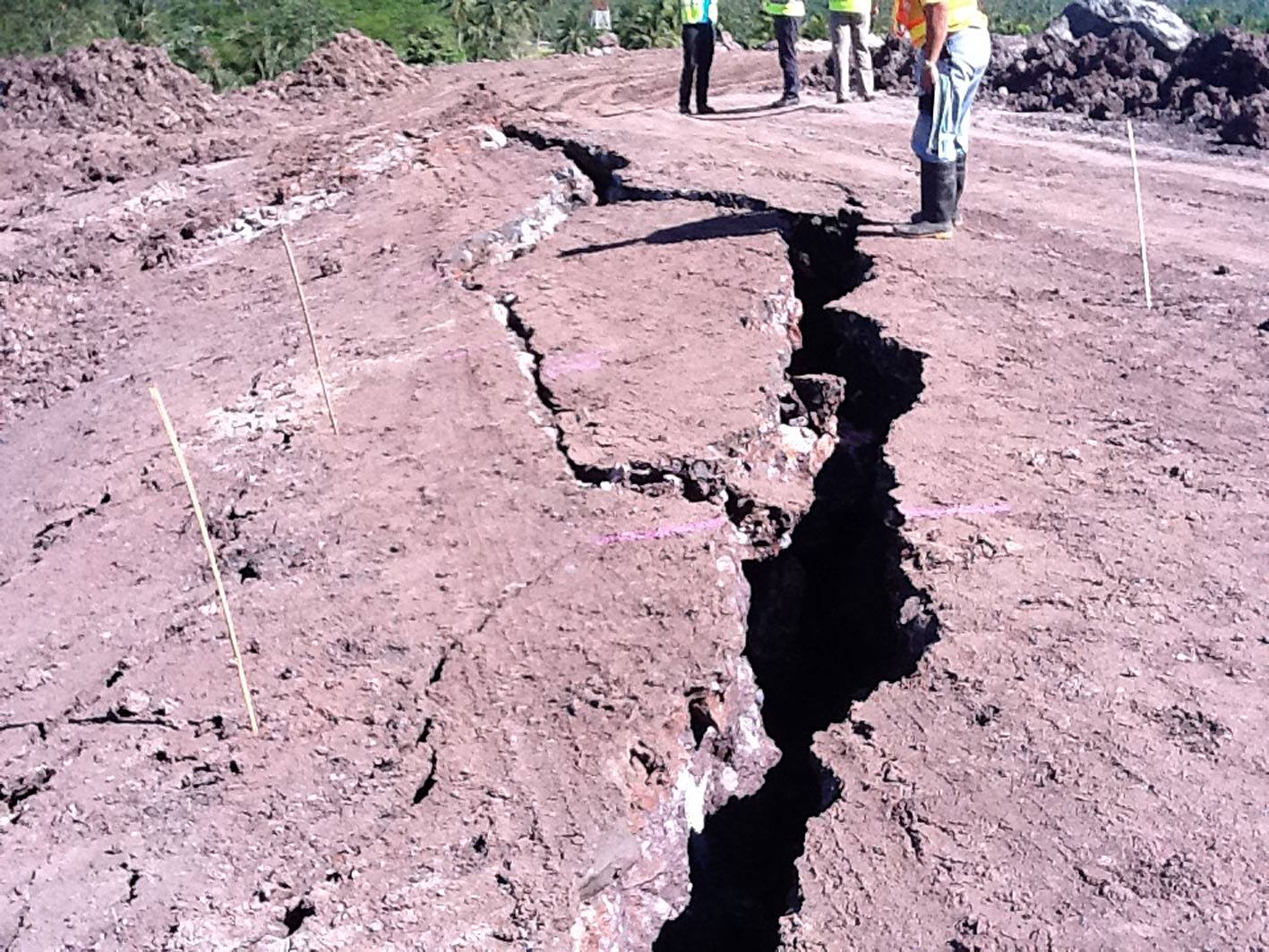 Large tension crack above the Siana Gold Mine in Palawan
Monocultures, or the cultivation of only a single crop within a certain area, directly eliminates plant life diversity and narrows the surrounding food chain to only certain species.
Urbanization, especially with Palawan's strong tourism industry, leads to the contamination of land and water and other various forms of pollution and the proliferation of disease among innocent marine life. Palawan's high coliform levels lead to the overgrowth of algal blooms, which block sunlight needed by underwater plants. When algal blooms die, they also consume large amounts of oxygen from the water, leaded to "dead zones" where marine life cannot breathe and must flee from, otherwise they meet death.
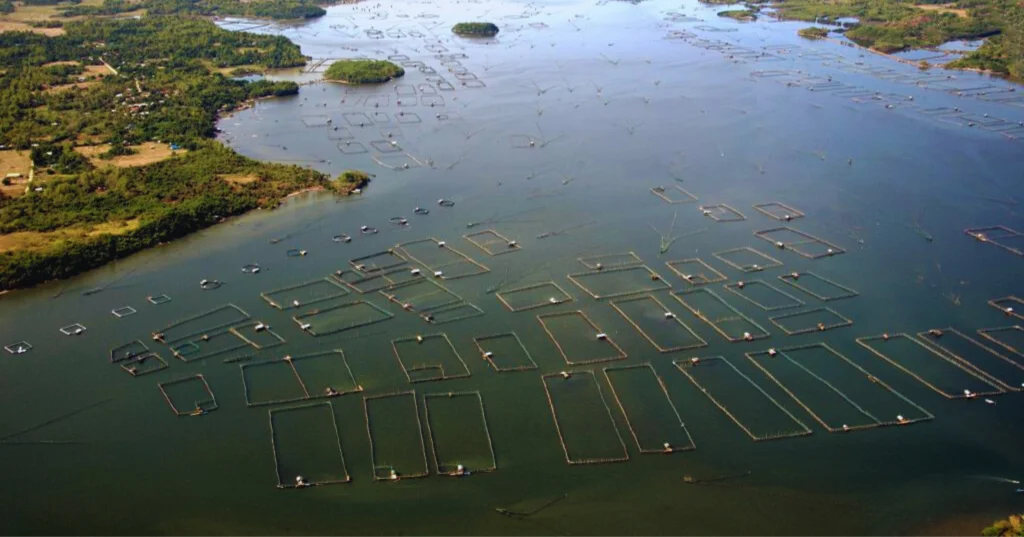 Algal blooms discoloring the Palawan's waters
The plastic pollution in Palawan leads to not only increased death from physical entanglement, but also increased toxicity in its waters. The toxins that leach out from the plastic cause reproductive, neurological, and immune disorders to the surrounding marine life.
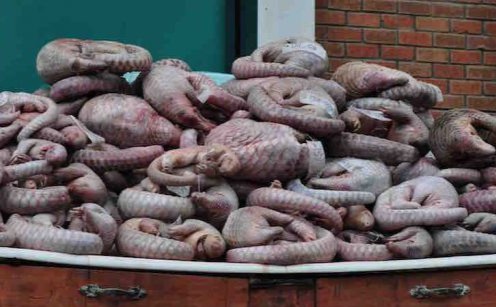
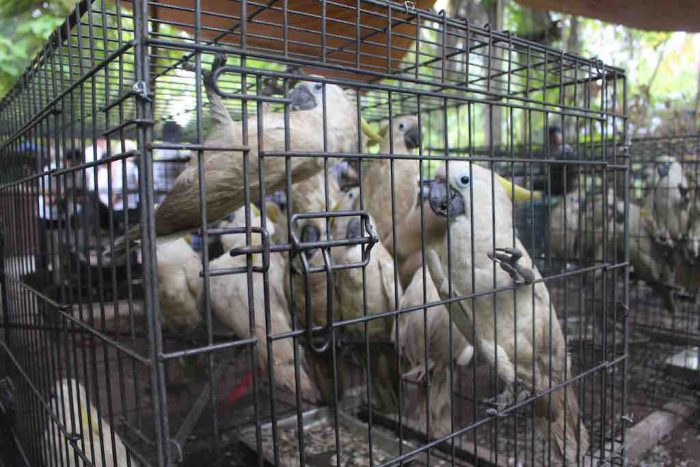
Illegal poaching directly pushes animals and to the brink of endangerment and extinction, especially for the purpose of harvesting certain parts or illegal exotic trade. An example would be the critically endangered Philippine Pangolins and Cockatoos.
Destructive Fishing practices, most of which are illegal, are still a persistent problem in Palawan. An example would be dynamite fishing, which lead to the physical collapse of aquatic habitats such as coral reefs and killing a number of fish in the blast. On the other hand, cyanide fishing, which injects an amount of sodium cyanide into the waters, often used to capture live fish ofr illegal trade, poisons the whole ecosystem, leading to death of corals and increased mortality in fish when exposed.
Because of humanity's unregulated, persistent taking from nature, Palawan's wildlife are suffering.
Disclaimer: PalawanEco is a school project made for educational purposes only.