UNESCO has the following updated information on Palawan's status:
- 1,150,800 hectares of biosphere reserve
- 44,500 hectares of mangrove forests
- 105 out of the 475 threatened species in the Philippines are found in Palawan
- Out of the 105 threatened, 67 are endemic to the Philippines and 42 are Palawan-endemic
- Coastal and marine ecosystems include 379 coral species, 13 species of seagrass meadow, 31 species of mangroves, and 18 Philippine-endemic freshwater fish species
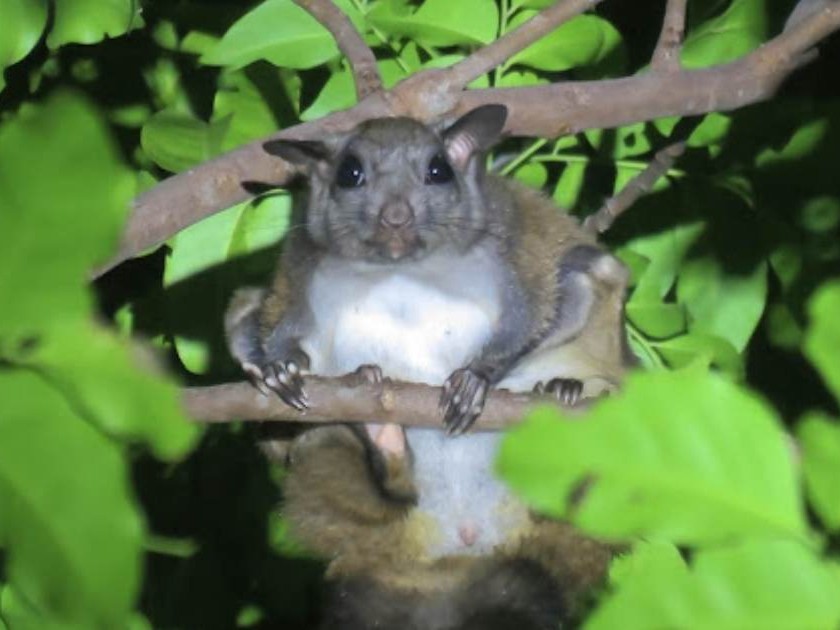
- Philippine-endemic amphibian species, 69 reptile species, 279 bird species, and 58 terrestrial mammalian species, 16 of which are Palawan endemics
Travel Palawan further adds that the island has over 1500 plant species total, including 31 mangrove species that comprise 90% of known Philippine mangrove species.
The National Integrated Protected Areas System (NIPAS) act of 1992, expanded in 2018 as the Expanded NIPAS (E-NIPAS) act of 2018, was enacted into law to protect ecologically rich areas from "destructive human exploitation", and it includes nine major areas from Palawan:
- Tubbataha Reefs Natural Park
- Puerto Princesa Subterranean River National Park
- Mt. Mantalingahan Protected Landscape
- Malampaya Sound Protected Landscape and Seascape
- El Nido-Taytay Managed Resource Protected Area
- Rasa Island Wildlife Sanctuary
- Ursula Island Game Refuge and Bird Sanctuary
- Calauit Game Preserve and Wildlife Sanctuary
- Palawan Flora and Fauna Watershed Forest Reserve
These lands cover over 540,000 hectares, which is roughly about 20% of Palawan's total area.
In 2022, 155 Marine Protected Areas (MPAs) were documented, covering about 82,000 hectares, including the Cagayancillo MPA, the largest MPA in the country over 1,000,000 hectares.