
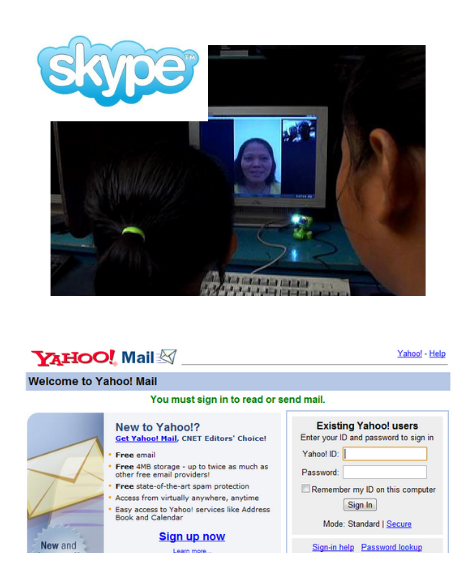
PAST (2000-2010)
The 2000s saw a rapid increase in OFWS, as more Filipinos applied as household service workers abroad and production workers, which affected family dynamics. The emotional and nurturing roles of OFW fathers were reduced to mostly just a financial provider. Usually the eldest sibling fills in for the place of the absent parent. In 2006, Skype launched video calling for phones which helped mitigate the effects. Most families relied on exchanging Yahoo e-mails through internet cafes. Parents become OFWs as a means to survive and financially provide for their family, which left a more emotional impact.
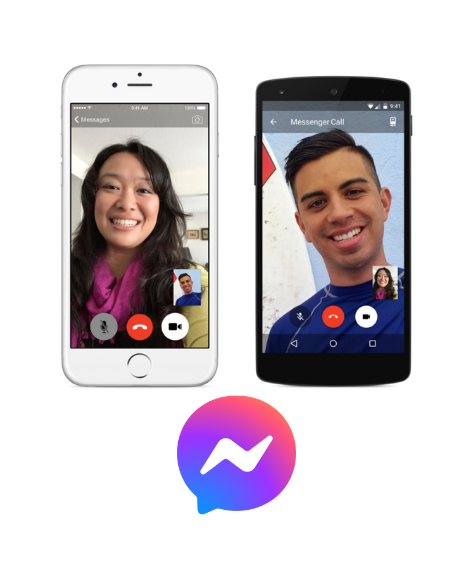
PRESENT (2010s-2020s)
People can now conveniently call and text their OFW relatives with popular social media platforms now interacting video calls as features. Skype has shut down but Messenger has soared in popularity. There still exists an emotional gap but the effects of OFW migration are now somewhat mitigated. Compared to the 2000s where parents became forced to be OFWs to provide, there is more space for younger generations' personal aspirations on becoming an OFW aside from financial necessity.
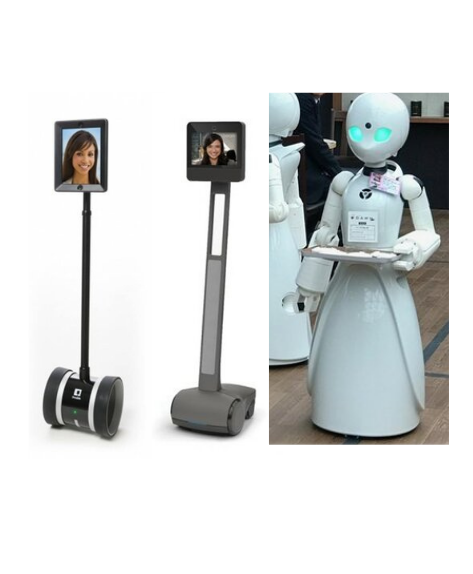
FUTURE (2030s+)
In other countries, little robots, known as telepresence robots, can go around and transmit the voice of a distant family member and be controlled by them makes it so that they can interact with their family in a more spatial way. This may become more popular in the Philippines as well. A lot of younger generations will aspire to be OFWs to maintain a high economic status rather than viewing it as a last resort.
PAST (2000-2010)
More and more english-proficient Filipinos joined the BPO industry. In 2000, the BPO revenue was approximately 100 million US dollars, comprising only 0.075% of the Philippine GDP. In 2005, the BPO industry's revenue was at 1.3 billion US Dollars (2.4% of GDP), and grew nearly tenfold by 2010 at 10.1 billion US Dollars (4.8% of GDP). In the 2000s, companies like Accenture grew fast in the Philippines when it expanded from just IT services to teleservices. PeopleSupport moved its operations to the Philippines in 2001 and also grew.

PRESENT (2010s-2020s)
Today, the BPO industry contributes to 8% to 9% of the Philippines' revenue, approximately 38 billion US Dollars as of 2024. By 2028, it is projected to hit 58 million US Dollars in revenue. Accenture is still a top-employer. PeopleSupport was acquired by Aegis, which is now part of Concentrix, another top-employer.
FUTURE (2030s+)
Accenture will likely still be one of the top employers. Even though AI is a threat to workers in the BPO industry, instead of being replaced entirely, they will likely be given AI tools like CoPilot and Fireflies to assist with their jobs. Given this, and the fact that the industry is projected to hit 58 milion USD in revenue by 2028, it will probably hit the 60 million USD mark by 2030.
PAST (2000-2010)
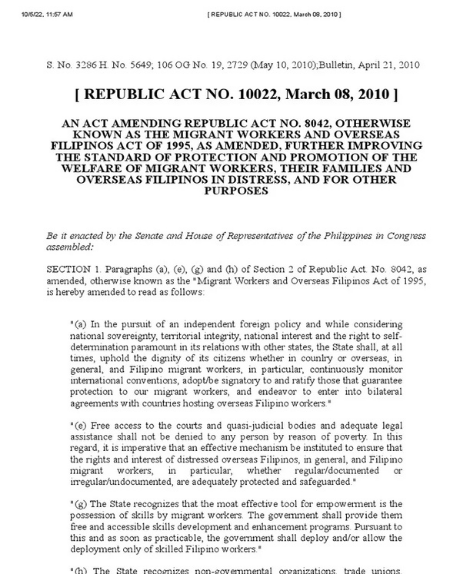
The first major amendment to the Migrant Workers and Overseas Filipinos Act of 1995 was written throughout the decade and released in 2010. It strengthened worker protection by introducing mandatory insurance, penalties for illegal recruitment, and the protection of undocumented OFWs.
PRESENT (2010s-2020s)
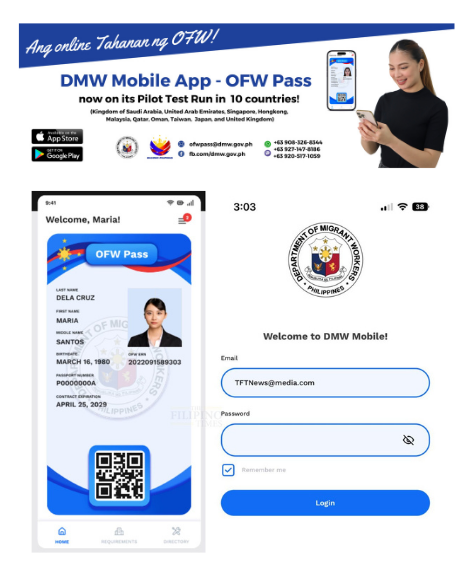
In 2016, Overseas Workers Welfare Administration (OWWA) was enacted to a law. It is an agency the administers the trust fund for OFWs to provide them with social, financial, and legal assistance. In 2021, a Department of Migrant Workers (DMW) cabinet was also enacted. In 2023, an OFW pass system launched through the DMW Mobile App to replace the old paper-based Overseas Employment Certificate (OEC) for OFWs.
FUTURE (2030s+)
Continued support will be extended to OFWs, especially digital support to ease any traditional processes. Digital identities for OFWs may be further developed.
PAST (2000-2010)
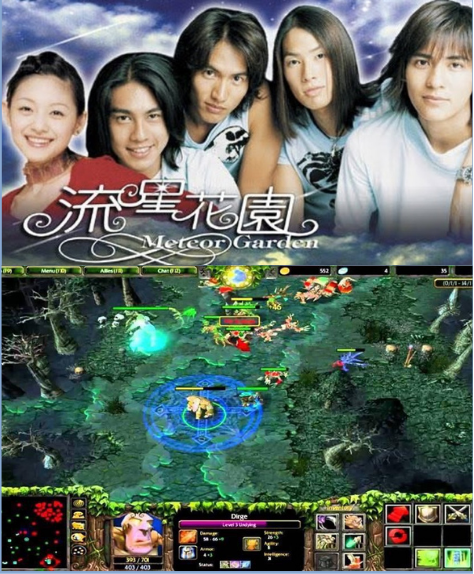
People were already starting to cherish international products, contents, and services. Korean Pop was slowly growing popular along with Korean dramas. Globally-popular games like DOTA and Counter-Strike were popular but usually only in communities in internet cafes.
PRESENT (2010s-2020s)
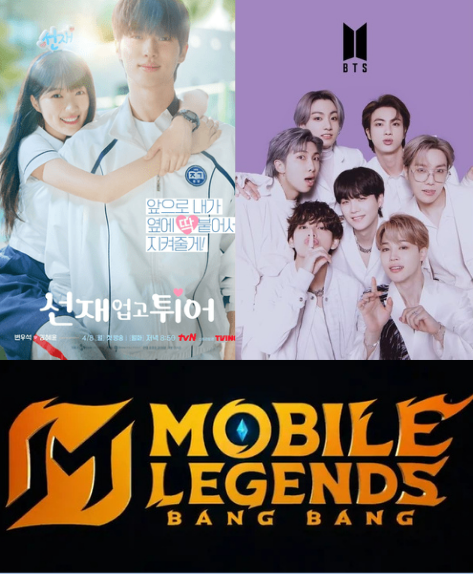
Globalization has busrt into popularity, K-Pop became popular in the Philippines especially with groups such as BTS and EXO during the year 2016. The global e-sports scene is more active than ever, with Philippine teams participating in international e-sports tournaments like Mobile Legends: Bang Bang.
FUTURE (2030s+)
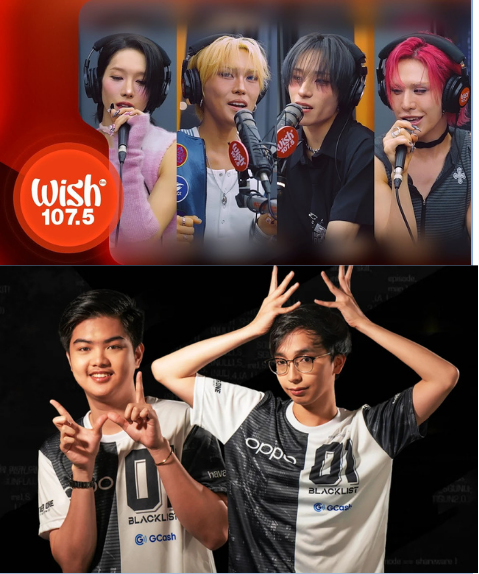
K-pop, K-dramas, and global e-sports will remain in the Philippines' popular culture as more content of those types of media come out. LGBTQ representation will be better represented in those types of media, with K-pop groups like XLOV already starting, and popular LGBTQ couple in the e-sports community, VeeWise, being an iconic duo.
PAST (2000-2010)
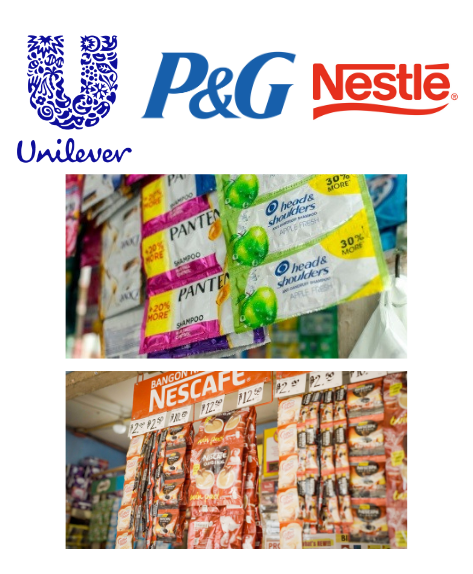
International companies like Unilever, Procter & Gamble, and Nestlé continued circulating products in sachets such as hair products like Sunsilk and Head & Shoulders, laundry detergents like Ariel and Tide, and food-related products like Maggi Magic Sarap and Nescafé. No data yet was available for how many sachets were being consumed daily by Filipinos.
PRESENT (2010s-2020s)
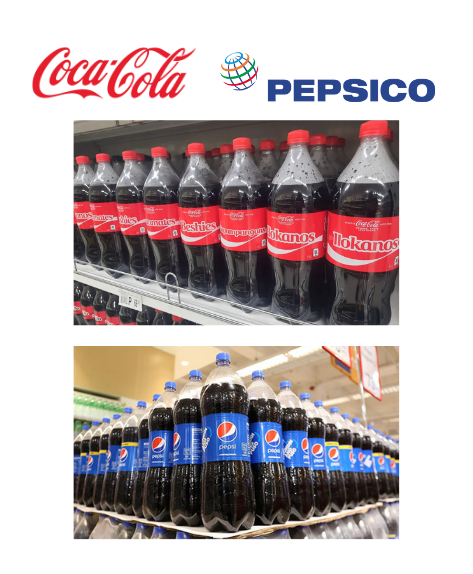
Products continue to release in sachets. A report from 2020 stated that Filipinos are now estimated to be consuming 164 million sachets daily. The same report stated that sachets comprise 52% of the residual plastic waste stream in the Philippines. PET bottles are now also frequently mentioned as either the #1 or #2 plastic polluter in the Philippines, especially from international companies like Coca-Cola and PepsiCo.
FUTURE (2030s+)
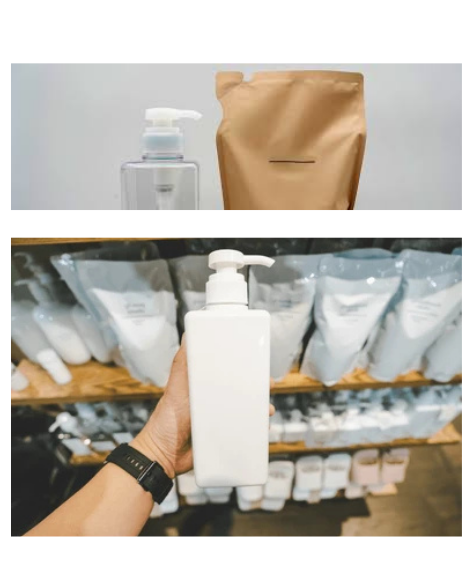
Due to the recently passed law, the EPR act of 2022, companies may start reconsidering how they distribute their products. Refillable packaging along with refill hubs may become a trend.