
House of Technology
PAST (2000-2010)
The popular social media platforms of the time, Friendster, Multiply, as well as the early versions of FaceBook, were primarily used to connect and communicate with real-life friends and meet new friends through friends of friends. Friendster specifically employed a testimonial feature where friends would write flattering things that were basically like reviews so other people can get to know each other. There was lower pressure in managing online identity as long as one is able to share their experiences through texts in their posts. Everything was more fragmented according to real-life connections.

PRESENT (2010s-2020s)
Now managing online identity even with people we may not personally interact with is important. Platforms such as Twitter/X, Instagram, Discord, FaceBook, and TikTok strongly encourage interacting with people from all over the world. Especially for influencers, there is a high pressure to maintain a perfectly relatable image. Presentation is important when it comes to sharing experiences, focusing on captivating media, like aesthetic pictures and videos instead of pure text and testimonials.
FUTURE (2030s+)
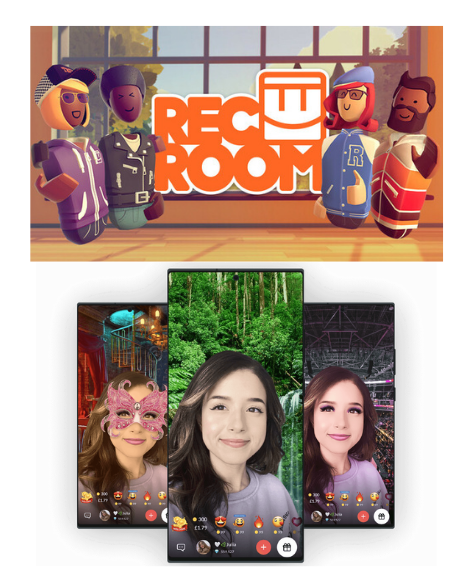
Some online personas may be generated, or a lot of influencers may use augmented reality or AI-filters when showing their face. AI-generated summaries may be more prominent in social media, as seen in YouTube and Twitter/X. Visual content may be further elevated and 3D content using AR/VR may become more popular in social media.
PAST (2000-2010)
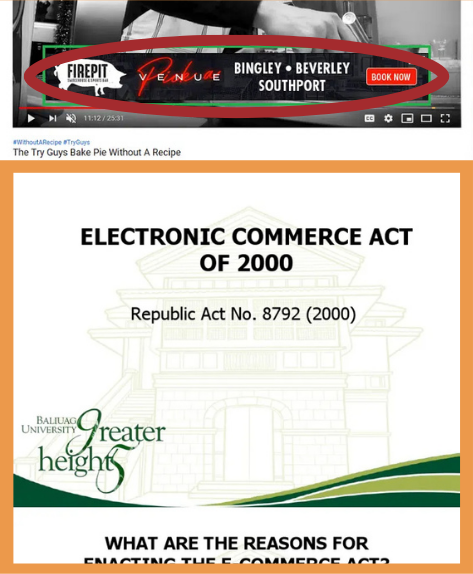
The only forms of advertising through technology, aside from television, were the straightforward banner ads found in online websites, such as the ones that showed on YouTube. The Electronic Commerce Act of 2000 (RA 8792) was passed, recognizing the validity of electronic documents, digital signatures, and online transactions in general. Since E-Commerce was only beginning in the Philippines, there was not much notable positive development in this area. Advertisements through technology was not as accessible to people at the time, therefore less profitable.

PRESENT (2010s-2020s)
In 2011, YouTube launched its localized site for Philippines and formalized local advertising, allowing companies to buy ad space, to show in-stream video ads. The algorithms of popular apps are now especially tailored to increase profitability. A significant increase of ads can be seen when scrolling through apps such as FaceBook. During the pandemic, the E-Commerce apps experienced astronomical growth, and sustained its popularity even after the pandemic, with apps like Shopee, Lazada. Online food delivery services such as Grab also took off.
FUTURE (2030s+)
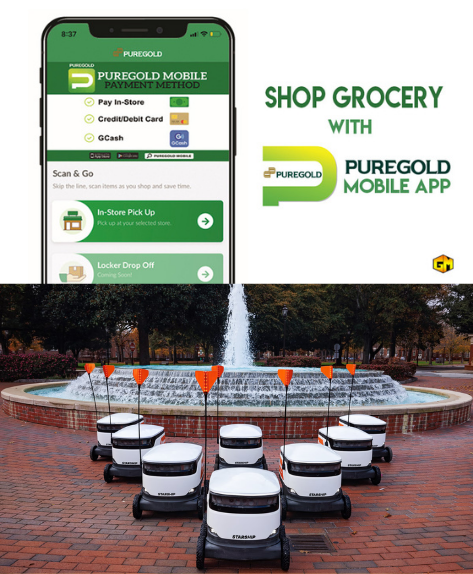
There is a possbility that shopping for groceries through a mobile app will become more popular like PureGold's mobile app. Some companies may also start experimenting with technology relating to automated delivery systems, like drones or mini-wheeled boxes. Technology that enhances e-transactions will likely be enhanced further, like blockchain-verified supply chains.

PAST (2000-2010)
President Erap's impeachment in 2001 was largely assisted by people gathering crowds for it through text messaging, with messages like "Go 2 EDSA. Wear Black". The blog of the Philippine Center for Investigative Journalism became a hotspot when it uploaded files of the "Hello, Garci" scandal. Such blogging platforms also became popular avenues for discussing political opinions and criticisms, especially Blogger and WordPress.
PRESENT (2010s-2020s)
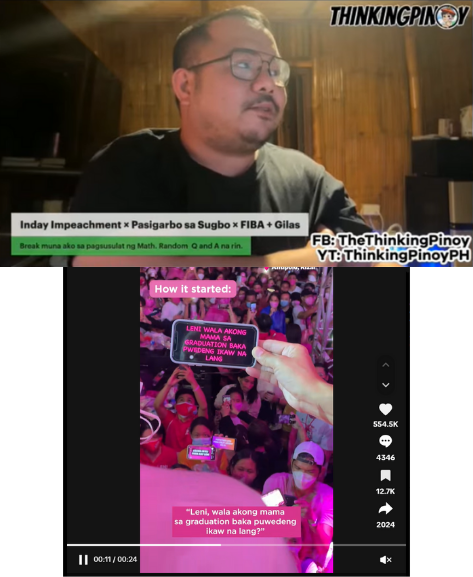
Political criticisms and discussions are still largely found online, on platforms like FaceBook and Twitter/X. Political influencers have also hopped on the bandwagon of vlogging and podcasts. One example scenario includes the 2022 Presidential Elections. Leni Robredo supporters or "Kakampinks" took to TikTok sharing their volunteer works to influence people. BBM supporters such as Thinking Pinoy also frequently went on live sharing their support and positive citriques of BBM.
FUTURE (2030s+)
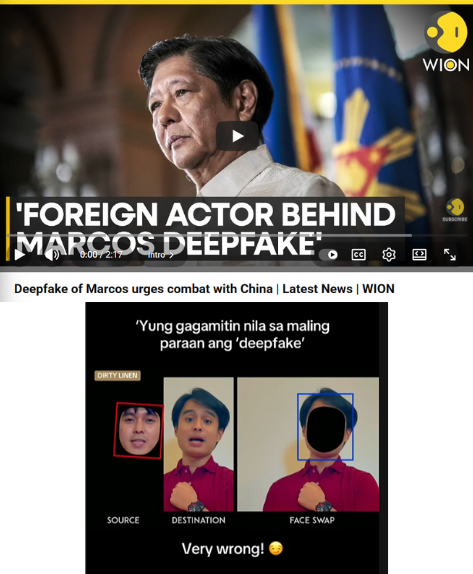
Social media will likely be indispensable as place for political discourse for a long while. However there is a strong chance of deepfakes emerging and spreading misinformation, for example through fake videos of politicians speaking about an issue.

PAST (2000-2010)
People were mostly used to passively consuming traditional broadcast media from major TV networks, which did not allow much room for interactivity. The technology online back then was also straightforward and only allowed room to passively read and watch or comment on the content by some users. Technology was also new and largely intimidating with only a few resources on how to navigate it, which may have led to only a few users posting their own content. The most popular forms of user-generated content were the testimonials on Friendster as well as blogging on Blogger. In general, online technology was also lesser accessible back then to majority of the people.
PRESENT (2010s-2020s)
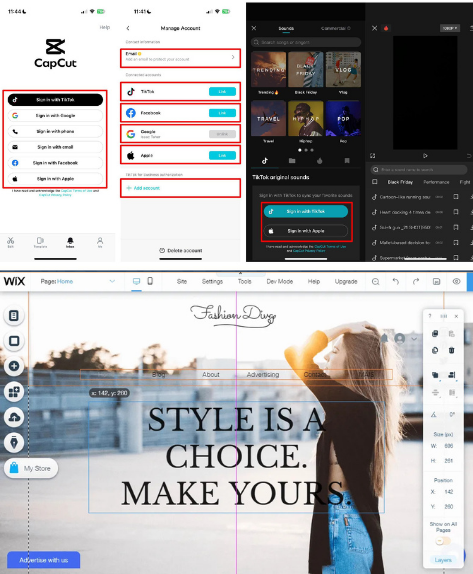
New technology has made content creation more accessible for people, even when deviating from purely textual forms and now incorporating visual media. It is now easier to create one's own websites on Wix and Canva or edit videos on CapCut and TikTok. Due to the wbe's now much accesible and interactive style, it is significantly less intimidating to try content creation. Brands that use influencer marketing continue to rise, growing from 76% in 2021 to 92% in 2023.

FUTURE (2030s+)
AI-generated content might be more accepted if it is given the right touch of human flair and originality and the creator acknowledges the fact that it is not fully human-made. Currently, there are instances where AI is used for comedic skits and educational videos, and the 2030s may see this type of content growing. The website generation of ChatGPT and Gemini will likely be more enhanced and functional by now.
PAST (2000-2010)
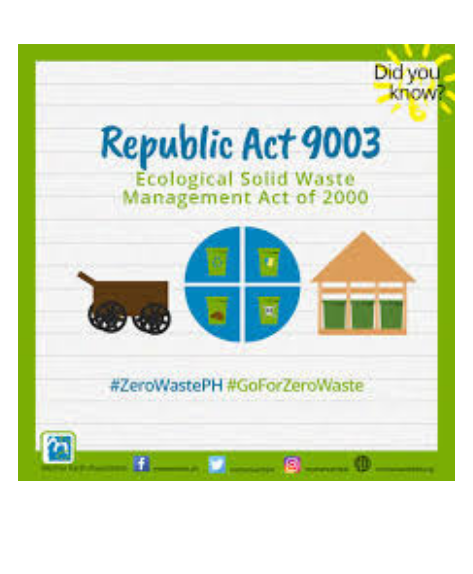
The Ecological Solid Waste Management Act of 2000 was enacted, promoting the framework of Reduce, Reuse, Recycle, with solid wastes, including consumer electronics.
PRESENT (2010s-2020s)
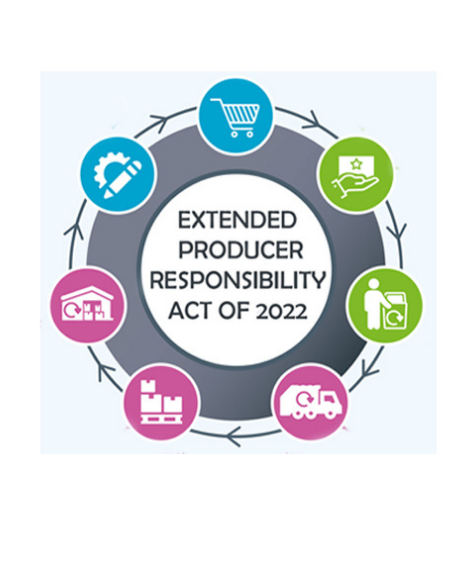
There does not seem to be any major laws regarding specifically handling electronic waste since 2010 in the Philippines. However, the Extended Producer Responsibility (EPR Act of 2022) shifted the responsibility of post-consumer waste to the producers, for companies with assets over PHP100 million assets. Although the law specifically targets plastic packaging waste and not electronic waste, it did mandate in section 44-A that the DENR should formulate a national framework for EPR for all types of product waste, including e-waste. However, DENR has not yet delivered on the framework.
FUTURE (2030s+)
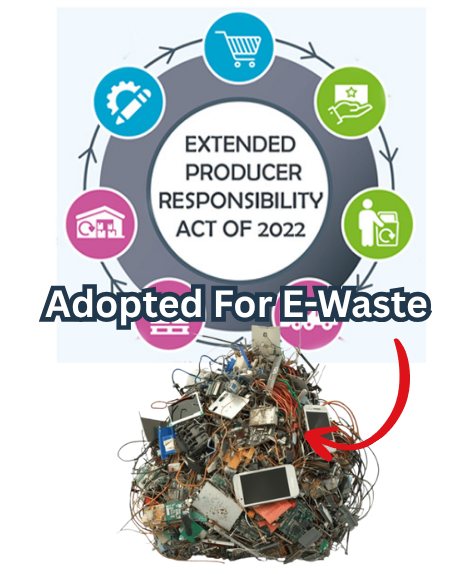
The EPR act for genral plastic waste that shifted the financial burden of e-waste management to manufacturers may be adopted to e-waste as well. Organizations dedicated to handling e-waste might emerge.